
Managing muddy gateways through wet British winters
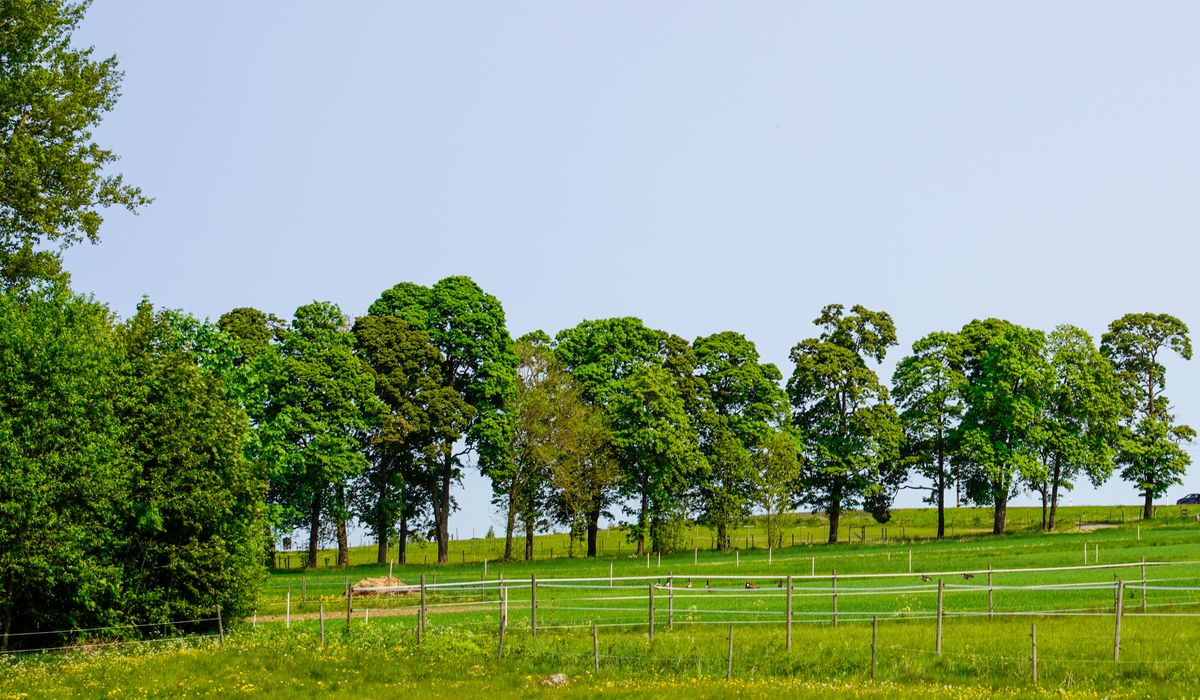
There’s a particular squelch that announces winter on a smallholding. You’ll hear it as you haul a bucket to the field: the sound of a gateway that has turned from firm turf into a boot-sucking bog. It’s the same story for thousands of British smallholders, especially on clay or poorly drained land. But muddy gateways aren’t inevitable. With a bit of planning and some well-chosen materials, you can keep access safe for you, your family, and your livestock right through to spring.
Why gateways fail first
Gateways are the pinch points of any holding. Every animal, every wheelbarrow, and every pair of boots passes through the same narrow gap, often several times a day. That concentrates weight and hooves on a small area, compacting the soil and destroying the grass that would otherwise bind it together. Once the turf is gone, rain has nowhere to go but down into the exposed earth. On heavy clay, that creates a self-perpetuating mess: the wetter it gets, the more it’s churned, and the deeper the ruts become. Livestock then avoid the worst patches, widening the muddy zone. Before long, the gateway is a quagmire that threatens foot health, causes slips, and makes routine tasks miserable.
Hardcore: the foundational fix
If you only do one thing this autumn, put down hardcore. It’s the single most effective way to create a firm, free-draining surface that will survive the wettest months. Don’t just tip a load of rubble into the gateway and hope for the best. A proper job needs a little preparation, but it will last for years.
- Choose the right stone: MOT Type 1 limestone or granite, often sold as “40mm to dust”, compacts into a stable, semi-permeable surface. Avoid rounded pea gravel, which will simply migrate and disappear.
- Dig out and membrane: Remove the top 150–200mm of muddy soil. Line the excavated area with a heavy-duty geotextile membrane. This stops mud from pumping up through the stone and keeps the hardcore from sinking.
- Layer and compact: Tip in the hardcore in two layers, compacting each with a plate compactor or a heavy roller. Aim for a finished depth of about 150mm. A slight camber away from the gate helps water run off.
Slightly wider than the gateway itself is ideal, so animals can pass without stepping onto bare mud at the edges. If the gateway is on a slope, consider a small retaining edge or timber curb to stop the stone spreading.
Cutting in drainage channels
Hardcore alone won’t solve a gateway that sits in a hollow or receives run-off from an uphill track. You need to intercept and divert water before it reaches the mud. A simple French drain, cut across the gateway or along its approach, can work wonders.
- French drain: Dig a trench about 300mm deep and 200mm wide, line it with membrane, lay a perforated pipe at the bottom, and backfill with 20mm clean gravel. Lead the pipe to a soakaway or a nearby ditch.
- Herringbone pattern: For a large, level gateway, lay a central drain with smaller channels branching off at an angle, like a fish skeleton. This collects water from a wider area.
- Open ditch: If you have the space, a shallow, vegetated ditch along the field edge can be the cheapest and most wildlife-friendly option. Keep it clear of leaves and silt through winter.
Check the outfall. A drain that empties into a low spot just moves the problem. Ideally, water should flow into a ditch, a soakaway filled with rubble, or a pond margin.
Gate mats and alternative surfaces
Even with hardcore and drainage, the area directly under the gate can still take a hammering. That’s where a gate mat earns its keep. Rubber mats, often made from recycled tyres, are easy to lift and reposition, and they give hooves something to grip. They’re not cheap, but they last for many seasons.
- Rubber gate mats: Lay them on a firm, level base of compacted hardcore or sand. They’re heavy enough to stay put but can be moved if you need to re-level.
- Concrete sleepers: For a more permanent solution, old railway sleepers or pre-cast concrete slabs can be set flush into the gateway. They’re durable but can become slippery when wet, so choose a textured finish.
- Grass reinforcement mesh: If you want a greener look and lighter traffic, a plastic or concrete mesh filled with soil and sown with a hardy grass mix can work. It’s not suitable for heavy cattle in winter, but it’s fine for sheep or occasional use.
Managing livestock to reduce poaching
Good infrastructure is half the battle; how you manage animals is the other. Poaching happens when hooves press into saturated ground, so anything that reduces the time they spend standing in the gateway helps.
- Rotate fields: Move stock on before the gateway becomes a swamp. A back fence prevents them from lingering near the gate.
- Relocate water and feed: If the trough or hay rack is near the gateway, move it deeper into the field. Animals will spread out instead of congregating on wet ground.
- Open a second gateway: If you have more than one access point, alternate their use. This gives each one a chance to recover.
- Use a sacrifice paddock: In the wettest weeks, consider keeping animals on a well-drained, hard-standing area rather than turning them out onto soggy pasture.
Winter maintenance that pays off
Once the rain sets in, a little routine maintenance will stop small problems becoming big ones. Walk your gateways after every storm. Clear fallen leaves and silt from drainage channels and ditch outfalls, as these are the most common causes of blocked flow. Top up hardcore where it has been scuffed away, and re-lay any gate mat that has shifted. If you spot a new rut forming, fill it with stone and compact it straight away; ignoring it for a week can mean losing the whole gateway for the season.
Finally, be kind to yourself. Muddy gateways are a fact of British winters, but they don’t have to rule your day. With a well-built base, a bit of drainage, and a mat where it matters, you’ll keep access safe for everyone – and save yourself a lot of swearing in the rain.


Rare breed pigs are hardy and friendly, but they need strong fencing, wallows and shade. Plan their outdoor area before bringing weaners home.
Small-bale haymaking suits compact holdings without huge machinery. Learn timing, drying and storage to keep winter fodder in good condition.
Slopes and uneven ground demand fencing that follows contours. Compare post-and-rail, stock netting and electric options for secure boundaries.
Careful grazing builds organic matter and deeper roots. Avoid poaching and rest paddocks to let worms and microbes improve permanent pasture naturally.