
Improving soil health in permanent pasture with careful grazing
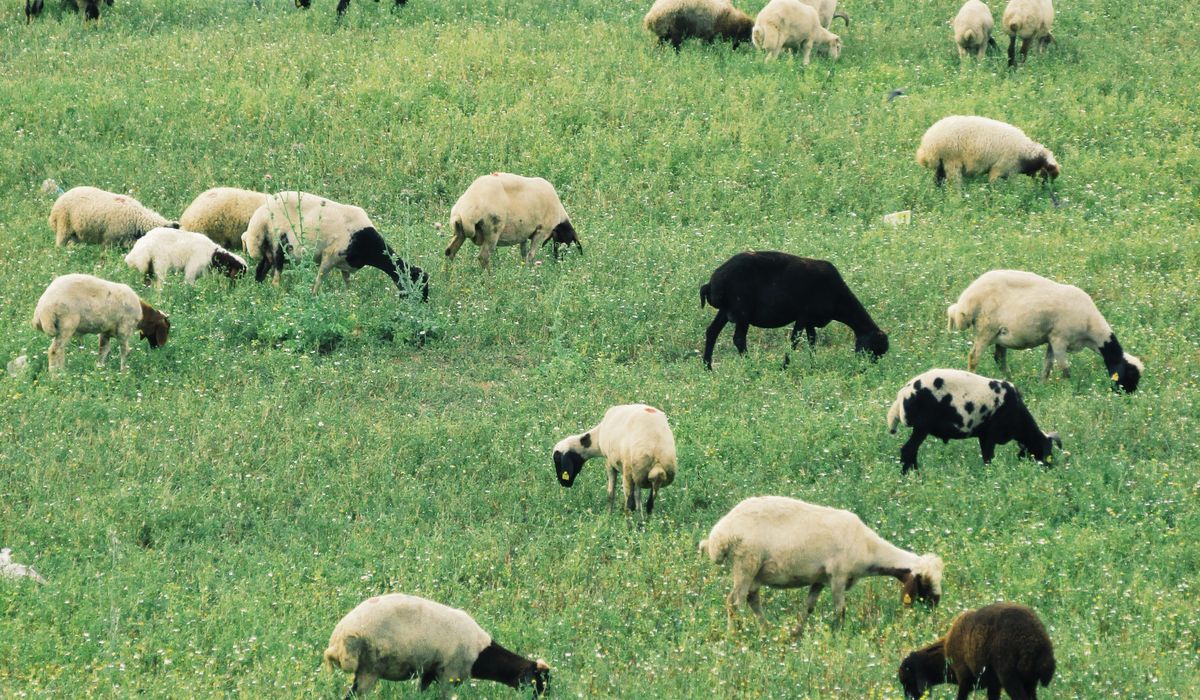
Start with the soil you already have
Permanent pasture that has never been ploughed is a quiet marvel. Underneath the grass lies a network of roots, fungal threads, worm burrows and pockets of air that took years to build. Your job as a smallholder is not to improve on that arrangement so much as to stop damaging it. Every management decision you make — how long animals stay, where they walk, when you cut — either feeds that underground community or tramples it.
The good news is that careful grazing costs nothing but attention. You don't need fancy equipment or purchased inputs. You need a decent fence, a notebook, and the patience to move stock before the sward is bitten to the bone.
Grazing height and rest: the two levers you control
Think of grass as a solar panel. The leaf area left after grazing is what catches sunlight and pumps sugars down into the roots. Graze too hard and you shut the panel down; the plant draws on root reserves, roots shrink, and growth stalls.
As a rough guide for a mixed permanent sward:
- Put animals in when grass is around 10–15cm on the tallest leaves.
- Move them on before it drops below 5–7cm in summer, and leave 10–12cm where possible going into winter.
- Rest paddocks for at least 21–28 days in spring and early summer, stretching to 60 days or more in autumn and winter when growth slows.
Rest is the part people skip. A paddock that is regrazed at day ten never gets to rebuild its root mass, and you'll notice it first as thin, pale grass and an invasion of weeds such as creeping buttercup or dock. If you only have two fields, split them with electric netting and rotate anyway. Even crude rotation beats set-stocking on heavy ground.
Keep the hooves off wet ground
Poaching is the single fastest way to undo years of good soil structure. Hooves pushing into saturated ground squash the pore spaces that should hold air, smear the surface, and leave hollows where water sits. Worms disappear from those patches and it can take two seasons to recover.
Practical steps that work on small acreages:
- Have a sacrifice paddock or a hard-standing area ready for the wettest weeks, and accept that it will look rough.
- Break grazing into small blocks rather than turning the whole herd into a large field, so the damage is concentrated and easier to rest afterwards.
- Choose the driest fields, and the ones on lighter soil, for winter grazing and move stock on sooner rather than later.
- Feed hay on a different spot each time in the same field, so nutrients and muck are spread rather than piled into one muddy gateway.
- Keep gateways and tracks stoned or bark-chipped; that's where most compaction starts.
Let the worms and microbes do the digging
You don't need a spade to aerate a pasture if the biology is healthy. Earthworms, especially the deep-burrowing types, create vertical channels that drain water and let air in. Dung beetles and flies bury manure and drag it below the surface, along with the seeds and parasites it contains. Mycorrhizal fungi extend the reach of grass roots into soil the roots could never touch alone.
To encourage them, feed them. That means dung, litter, and roots left in place rather than removed, and a soil pH kept around 6.0–6.5 so nutrients are available. Book a soil test every three or four years and correct pH with lime if needed — it's the cheapest long-term investment in pasture there is.
Go easy on soluble nitrogen. It grows grass quickly but acidifies soil, suppresses clover and can reduce the fungal networks that build organic matter. Legumes in the sward fix nitrogen for free, and a clover-rich ley will feed stock well without the bag.
Reading the signs in the field
Walk your paddocks monthly with your eyes down. The clues tell you whether your grazing is helping or hurting.
- Improving: dense sward, earthworm casts on the surface, dung pats disappearing within a few days, deep green grass with clover spreading.
- Struggling: bare patches spreading, moss and rush appearing, water standing after rain, tufty grass with weeds between the clumps, and dung still intact after a week.
Rushes and moss usually mean compaction and poor drainage, not a soil deficiency. Topping docks and thistles before they set seed helps, but it only buys time until the underlying structure improves.
A simple year of careful grazing
In spring, let grass get ahead of the animals before you turn out, and keep the first grazings light. Through summer, rotate on a short cycle and top any rank patches the stock leave behind. In autumn, slow the rotation, lengthen the rests, and start saving grass for winter. In the depths of winter, keep stock on the driest ground or off the pasture entirely, and let the rest of the farm rest.
Do this for three or four years and the change is cumulative. The sward thickens, worm numbers climb, the ground stays firmer underfoot, and you'll notice you're feeding less and worrying more about where to put all the grass.


A pond can boost biodiversity and provide water for wildlife. Site it carefully to avoid livestock access, runoff and safety problems for children.
Traditional apple varieties can cope with British weather and provide fruit for years. Choose rootstocks and pollinators suited to your small orchard.
Electric netting is useful for temporary grazing, but correct setup prevents escapes and shocks. Check earthing, voltage and vegetation contact regularly.
Docks, thistles and ragwort can spread quickly in pasture. Identify them early and use grazing, cutting or pulling to keep them under control.